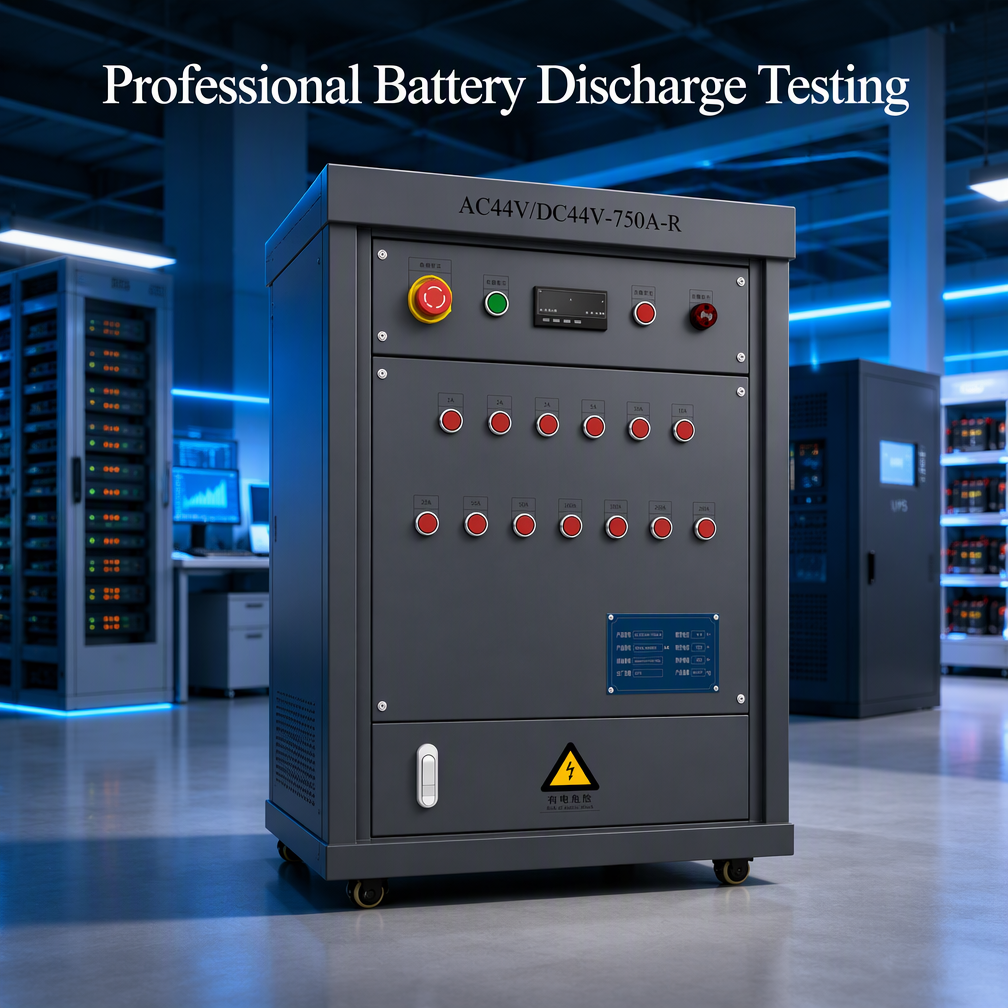
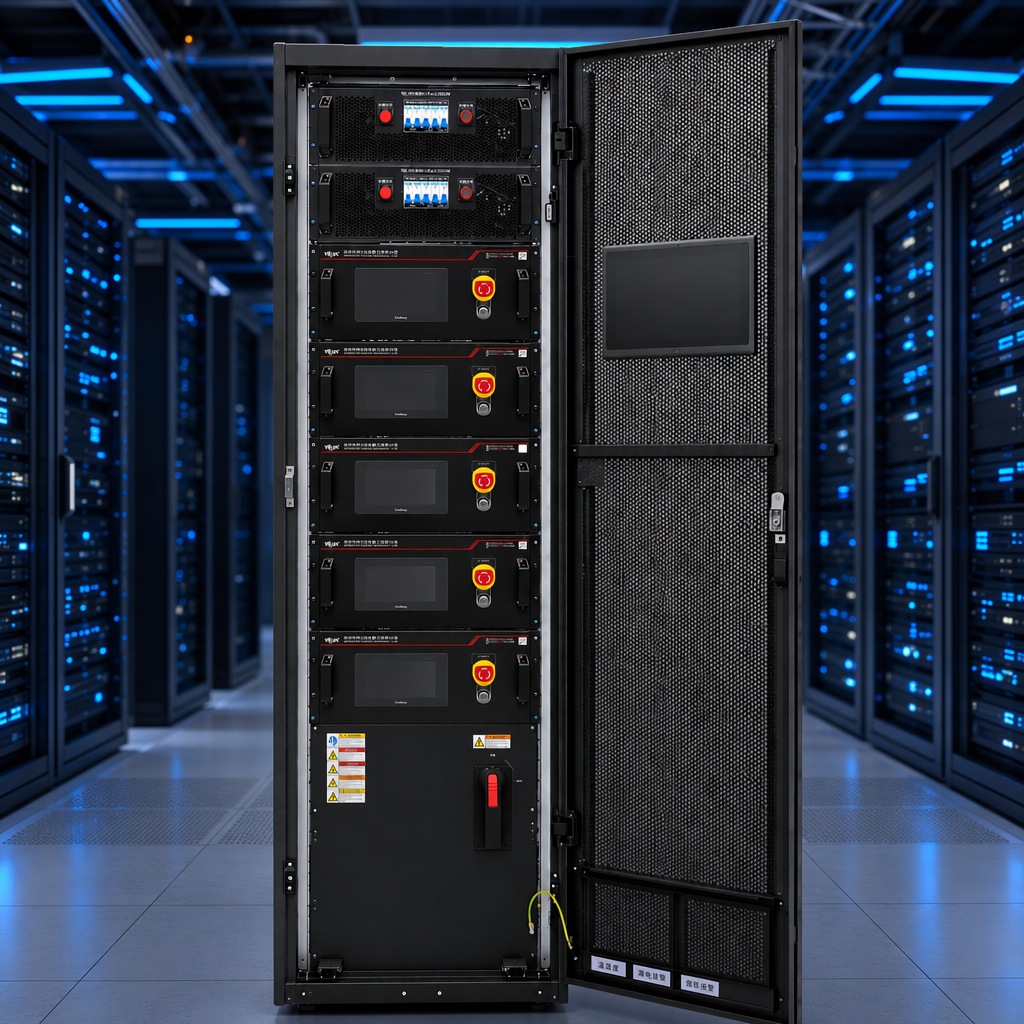
VILVA custom-manufactured the AC380V 2600kW high-power resistive AC load bank. It has successfully completed the full acceptance process including on-site delivery, wiring commissioning and full-working-condition verification at CSSC Heavy Industry. All technical specifications and safety protection functions meet the standards, and the unit is now in service for factory inspection and type test of marine generator sets.
The VILVA AC380V 2600kW load bank comprehensively verifies all performance indicators of marine generators, safeguarding the factory quality of vessel power systems.
Product Advantages
The delivered AC380V-2600kW load is specially designed to simulate resistive loads, suitable for multi-condition performance testing of various marine generator sets.
It adopts a staged switching mode. The loaded power can be adjusted flexibly to precisely meet the test requirements of generators with different power ratings, with controllable loading adjustment accuracy.
The core of the resistive load adopts new power dissipation components. Resistors are heat-shrink sealed and installed inside stainless steel tubes, with insulating heat sinks fitted on the outer side of the tubes. It delivers excellent moisture-proof, anti-corrosion and insulation performance. The three-phase current remains balanced and stable during operation, without resistor overheating or red-hot issues. Each resistor group is equipped with an independent cooling fan to guarantee heat dissipation under long-duration full-load testing and effectively extend equipment service life.
Axial flow fans are selected for heat dissipation, featuring large air volume, fast heat dissipation and low operating noise.
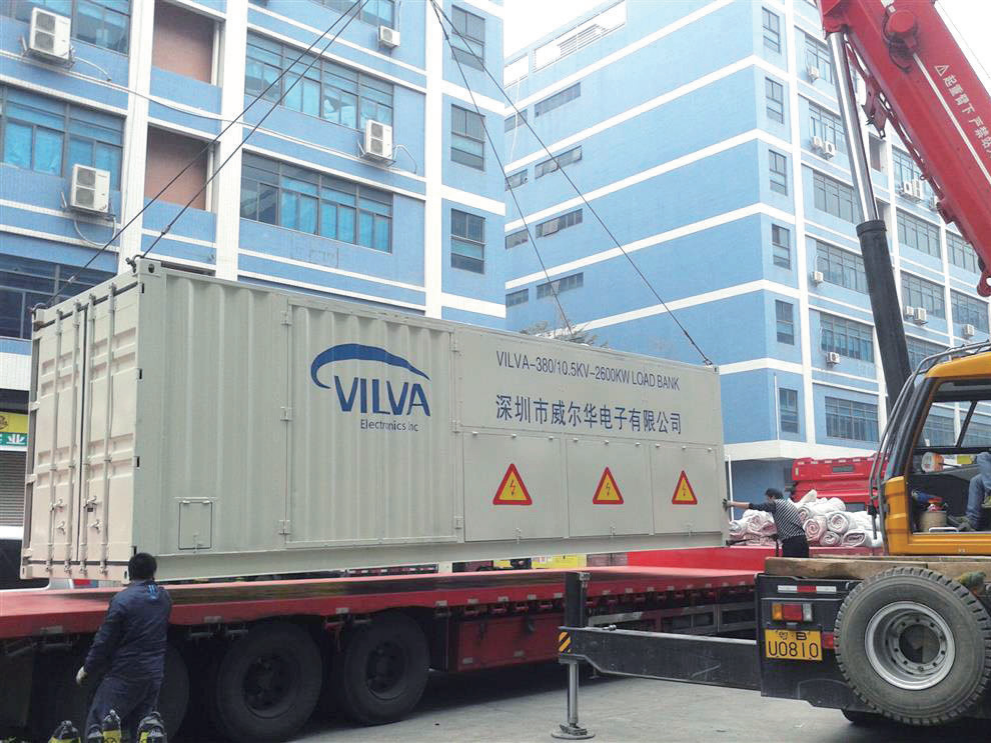
It builds robust safety protection throughout the whole generator test.
To ensure safety during long-duration full-load tests, the load bank is equipped with a comprehensive protection, measurement and control system, which was a key advantage contributing to its successful acceptance by CSSC Heavy Industry:
Dual Temperature Protection Mechanism
A warning threshold of 75°C is set. When the load temperature exceeds this value, the alarm indicator flashes and the buzzer sounds simultaneously to remind operators to troubleshoot heat dissipation faults promptly. If the temperature continues rising to the critical threshold of 85°C, the load contactors will automatically cut off power and unload the load.
Fan Fault Interlock Protection
Cooling fans are essential for stable operation of the load bank. If one or more fans fail and stop running, the system will immediately cut off the power supply of the load bank and unload the load automatically.
Three Core Functions: Precision Measurement, Fault Tracing and Intelligent Communication
It can measure all electrical parameters in real time, including voltage, current, active power, reactive power, power factor, frequency, and fully record the operating data of the generator;
Equipped with an RS-485 communication port, it can connect to the shipyard’s automatic measurement and control system to realize remote operation and unattended automatic testing.
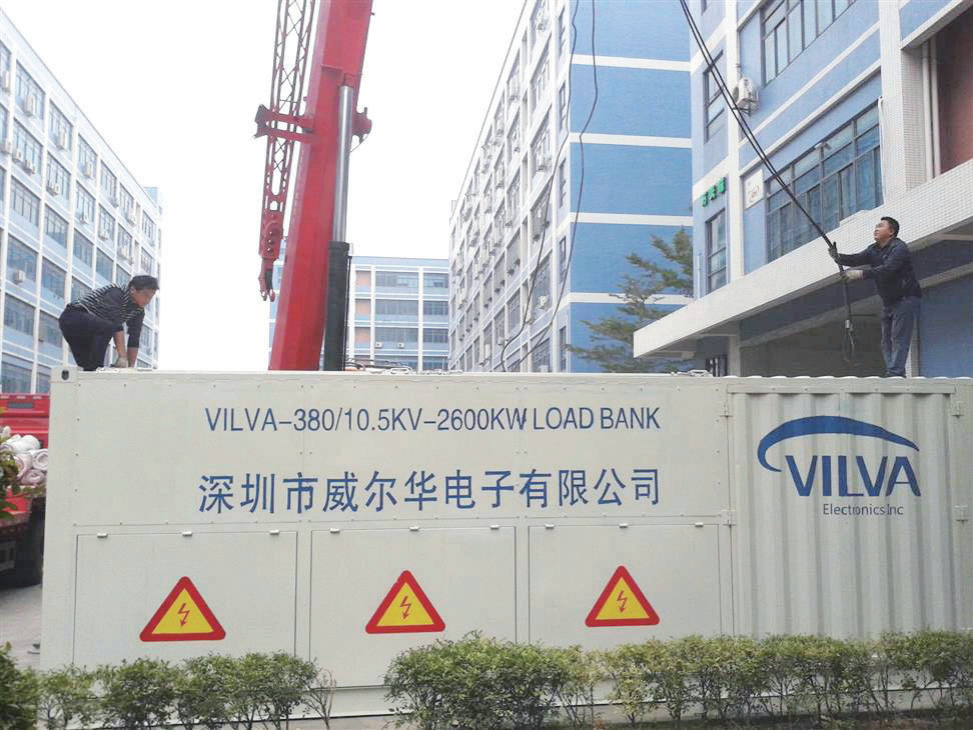
Core Function for Marine Generator Acceptance Testing
Verify the True Full-load Output of Generators
When a generator runs under no-load conditions, its voltage and frequency usually appear normal. However, hidden problems such as insufficient power and unstable voltage are very likely to occur under full-load conditions. With the 2600kW high-power load cabinet adopting stepwise loading from zero load up to rated full load, real-time power data is collected throughout the test to verify whether the actual output capacity of the generator meets design specifications.
Simulate Sudden Load Change Conditions
During ship navigation, frequent start-stop operations of lifting pump sets, steering gears and high-power onboard equipment cause instantaneous fluctuations of grid load. Relying on the sudden load-on and load-off functions of the load cabinet, it replicates offshore load surge scenarios, tests the response speed of the generator’s voltage and speed regulation systems, and checks the recovery speed of voltage and frequency after the impact.